Wāhine from gang whānau have played a critical role in research aiming to understand what they know about healing, leadership and securing different futures for their mokopuna.
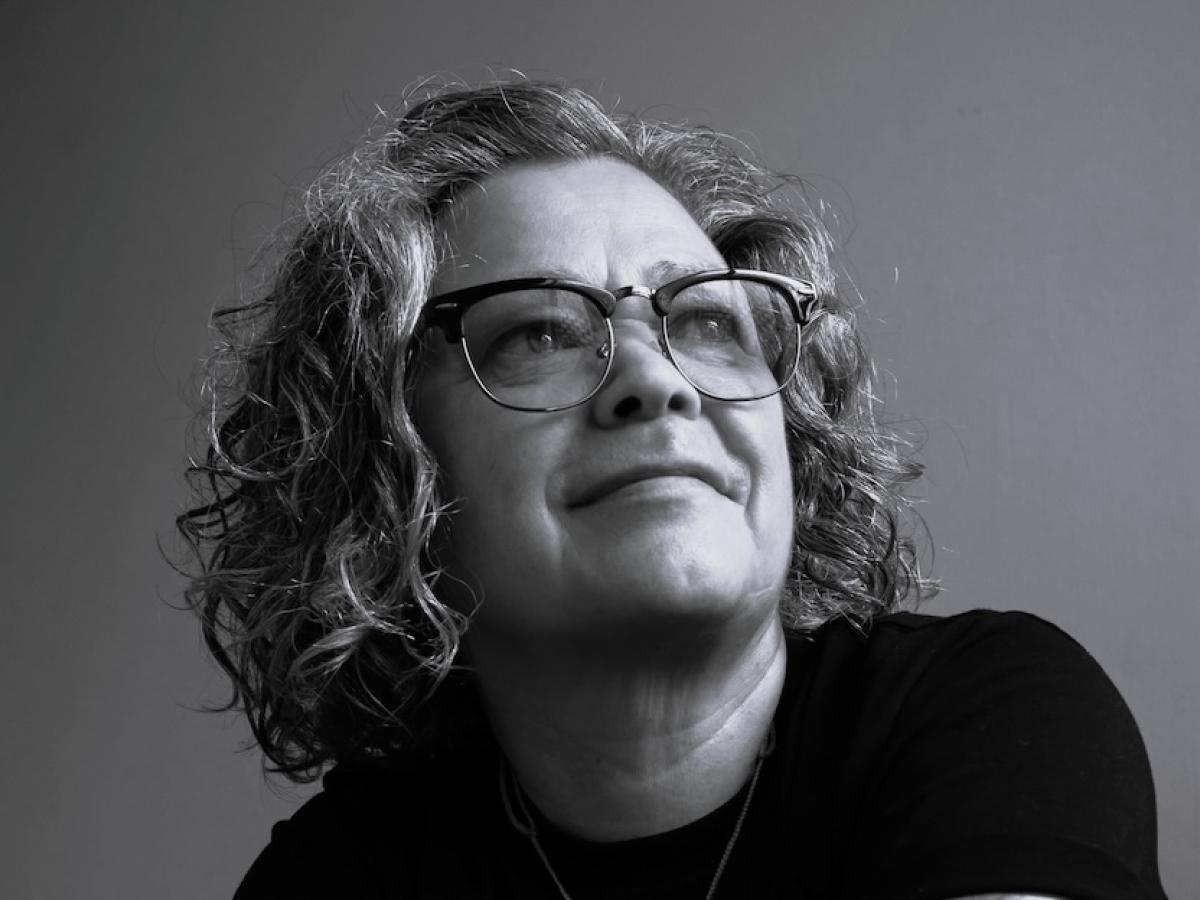
Tīhei Wāhine Ora: Wāhine from gang whānau healing intergenerational trauma is the first funded research to ask this community of wāhine about their knowledge and insights into healing and whānau leadership. Funded by the Health Research Council, the study is led by Paora Moyle (Ngāti Porou), award-winning Director of Research at Te Whāriki Manawāhine o Hauraki (Te Whāriki).
The genesis for the research came from a February 2023 Royal Commission of Inquiry into Abuse in Care hui with gang whānau. At that hui, wāhine voices filled just four pages of a 40-page submission. “I was involved in lobbying for the Royal Commission, but we saw that wāhine from gang whānau didn’t get a fair hearing. They said to us, ‘we matter too, we’re the ones that hold the whānau together’,” says Paora.
Wāhine Toa, the only women’s chapter of the Mongrel Mob, advised and guided the research which got underway in 2024. Through the research, wāhine from gang whānau were able to attend Pouhine, a healing wānanga delivered by Te Whāriki. Pouhine uses pahū (drumming), karanga, mirror work, storytelling and pūrākau sharing.
“The reason this is so successful is it helps guide people to remember their own divinity. You can see the women are being held by their tūpuna as they do the work of purging their grief,” says Paora. Eight, four-day Pouhine wānanga were held between 2024 and 2026, with the last in Queensland. Twenty of the wāhine who attended Pouhine chose to share their pūrākau for the study.
“What happens in the Pouhine is they wake up to themselves, they wake up to one another, take responsibility for what’s going on, and they make better choices for how they want to move into the future,” says Paora.
The research report tells how state care, police, courts, housing, clinical services and media have targeted these wāhine over generations. Hypervigilance is a constant presence in their lives, and Paora says it does not necessarily come from violence within gangs. “For many it comes from the violence and sexual assault that occurred while they were children in State care, and it comes from government systems which do not help; rather, they diminish these women. Specifically, I’m talking about the Police and Oranga Tamariki.”
Surviving those systems gave these wāhine precise knowledge of law, agencies and people. The research found they are already running crisis response, legal advocacy and addiction recovery in their communities, with little resourcing.
Te Whāriki kaimahi stayed in contact with the wāhine who attended Pouhine. After two years, around seventy per cent have significantly reduced their drug and alcohol use or have obstained altogether. Wāhine are also working with Oranga Tamariki to have their tamariki returned, securing permanent housing and work, and supporting other wāhine out of violence.
The research report contains seven recommendations to the Crown under Te Tiriti o Waitangi obligations. They include funding Pouhine directly and at scale, and reviewing the Gangs Act 2024 which gave the Police new powers to target gangs and gang activity.
“It’s been a privilege to get to know these women and see the way they get up every day for their children while being demonised by the media and government agencies,” says Paora.
“As someone who has built trust with these women over years, you can’t just leave them once the research is over. I endeavour to be an honourable researcher, and to do this you need to practise what you preach. That’s what keeps me straight; that I’m here to serve and work with people who don’t get a voice, or a seat at the table, people who are judged and marginalised. I love what I do, and I love the people that I work with.”